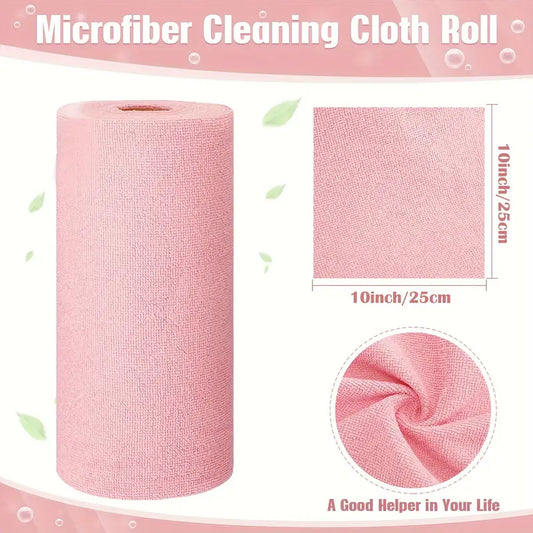
Buy Sponges and Cloths for Every Cleaning Job
Sponges and cloths largely determine how well your cleaning product works. A powerful cleaner helps, but with the wrong cloth you may spread grease, leave streaks on glass, or fail to remove stubborn dirt. In this category, you’ll find cleaning cloths, microfiber cloths, sponges, scrubbers, glass cloths, and kitchen cloths for everyday cleaning and tougher jobs around the home.
Whether you want to degrease the kitchen, clean the bathroom, finish windows without streaks, or scrub away baked-on dirt, the right cleaning aid makes all the difference. For a more specific choice, you can also explore sponges for stubborn dirt or cleaning cloths for everyday use.
Why Are Good Sponges and Cloths Important?
Many cleaning problems are caused not only by using the wrong cleaning product, but also by using the wrong tool. A sponge that is too rough can cause scratches. A dirty cloth can spread grease and dirt instead. The wrong cloth on glass can leave streaks or lint behind. That’s why it’s smart to use the right sponge or cloth for each surface.
In the kitchen, you often have to deal with grease, sauce residue, crumbs, and baked-on dirt. You need a sponge or scrubber that loosens dirt without unnecessarily damaging the surface. In the bathroom, the focus is more often on limescale, soap residue, sinks, tiles, and shower walls. For glass and mirrors, you need a cloth that works without streaks and doesn’t leave lint behind.
A good basic supply usually consists of several types of cloths and sponges. For example, use separate cloths for the kitchen, bathroom, and toilet. This prevents dirt or odors from being transferred from one room to another.
Which Sponge Should You Use for Each Job?
A soft sponge is useful for everyday cleaning of surfaces that aren’t particularly delicate. Think countertops, sinks, tiles, washbasins, and bathroom furniture. For more stubborn dirt, you often need more texture, such as a scrubber or firm cleaning sponge. This makes it easier to loosen dirt without immediately using a lot of extra cleaning product.
A firmer sponge can save a lot of time when dealing with baked-on dirt, oven residue, pans, cooktop edges, or grease on tiles. Always pay attention to the surface, though. Non-stick coatings, high-gloss surfaces, natural stone, and some plastic materials can be sensitive to scratches. If in doubt, test carefully on a small area first.
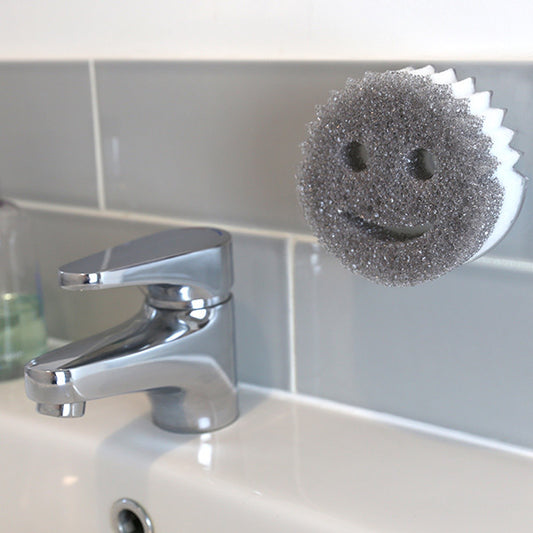
For popular cleaning aids, take a look at Scrub Daddy sponges and scrubbers. This category is especially suitable for people who want to scrub away dirt, grease, residue, and everyday messes more quickly.
Which Cleaning Cloth Is Right for Your Job?
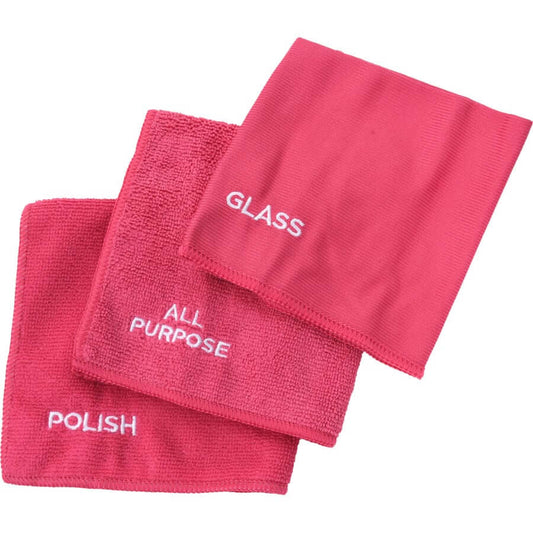
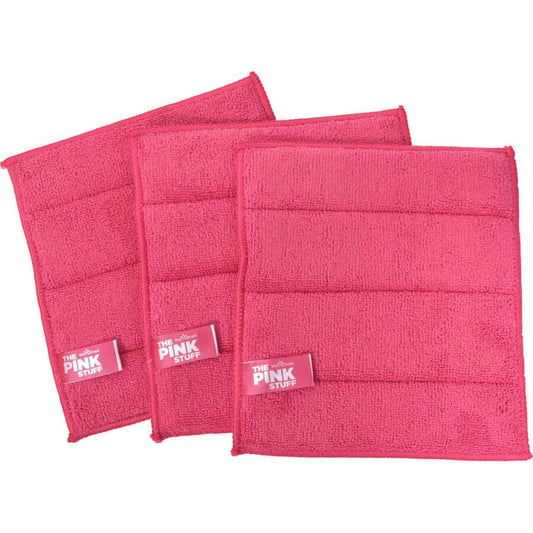
You mainly use cleaning cloths to wipe away dirt, dry surfaces, and remove cleaning product residue. Microfiber cloths are popular because they work well on many hard surfaces. They absorb dirt effectively and are useful for kitchens, bathrooms, furniture, tiles, and general cleaning.
For glass, mirrors, and windows, you need a cloth that doesn’t leave lint behind and causes minimal streaking. It’s better to use a separate glass cloth rather than the same cloth you just used on the countertop. Grease or soap residue in a cloth can cause streaks. For glassware and mirrors, this category pairs well with cleaning windows and glass without streaks.
In the kitchen, cloths are important for quickly removing grease, crumbs, and moisture. Use several cloths and wash them regularly. A cloth that already feels greasy or smells musty won’t really clean your kitchen. For heavy-duty kitchen jobs, you can combine cloths with products for grease and baked-on dirt.
Scratch-Free Cleaning: What Should You Look Out For?
Scratch-free cleaning starts with identifying the surface. Glass, induction cooktops, ceramic, high-gloss cabinets, painted surfaces, and some bathroom tiles require care. Don’t use a hard scouring sponge on these surfaces unless you’re sure it’s suitable. Scratches can appear quickly and usually can’t be polished away.
For delicate surfaces, use a soft cloth or sponge and let the cleaning product work briefly first. Applying more pressure isn’t always the solution. It often works better to loosen the dirt by soaking it and then gently wiping it away.
Clean your sponges and cloths regularly as well. A sponge containing sand, crumbs, or hard dirt can still cause scratches, even if the sponge itself is soft. Rinse your cleaning tools thoroughly while cleaning and replace them when they become dirty, worn, or musty.
Using Sponges and Cloths Smartly Around the Home
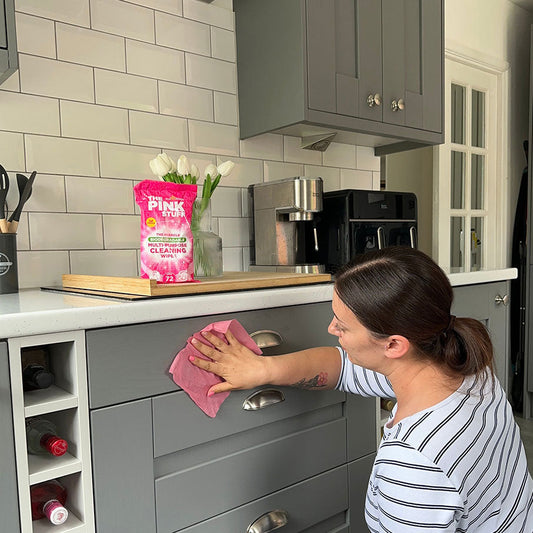
For a hygienic cleaning routine, it’s useful to use dedicated cloths for each room. Use a kitchen cloth for countertops, tables, and cabinets. Use a bathroom cloth for sinks, tiles, and showers. A separate cloth for the toilet is a sensible choice. This keeps cleaning more organized and prevents cross-contamination.
Allow wet cloths and sponges to dry thoroughly after use. If they remain damp in a pile, they can start to smell musty. Wash reusable cloths regularly and replace sponges on time. A good sponge or cloth only works properly when it is clean enough itself.
Combine sponges and cloths with the right cleaning product. An all-purpose cleaner, degreaser, glass cleaner, or bathroom cleaner works better when you use the right tool. Otherwise, dirt may remain, streaks may appear, or cleaning may require unnecessary effort.
Frequently Asked Questions About Sponges and Cleaning Cloths
Why Do I Get Streaks When I Clean with a Cloth?
Streaks often occur because the cloth is too wet, too dirty, or greasy. Using too much cleaning product can also leave a haze. Use a separate clean cloth for glass and mirrors and apply only a small amount of product. For kitchen surfaces, it’s a good idea to dry them with a dry cloth afterward. Wash cloths regularly, as residue from grease, detergent, or cleaning products can cause streaks again during the next cleaning session.
Which Sponge Should You Use for Baked-On Dirt?
For baked-on dirt, you’ll usually need a firmer sponge or scrubber that can loosen dirt without requiring endless scrubbing. Pay close attention to the surface, though. A pan, baking tray, or tile can often withstand more than an induction cooktop, non-stick coating, or high-gloss cabinet. First soak stubborn dirt with a suitable cleaning product, then scrub gently. This helps prevent unnecessary scratches.
When Should You Use a Microfiber Cloth?
Use a microfiber cloth for wiping, drying, and cleaning many hard surfaces. Think countertops, tables, sinks, tiles, furniture, doors, and sometimes glass. Microfiber is useful because it absorbs dirt well and leaves behind little lint. Use separate cloths for different rooms or tasks, though. You don’t want to use a cloth that was used for kitchen grease on mirrors or bathroom surfaces afterward.
How Can You Prevent a Sponge from Smelling?
A sponge starts to smell when it stays wet for too long, holds food residue, or isn’t rinsed properly. Rinse the sponge thoroughly after use, squeeze it out, and let it dry in a well-ventilated place. Don’t use one sponge for everything and replace it on time. Kitchen sponges in particular become dirty quickly because of grease, crumbs, and food residue. If a sponge smells musty, replacing it is usually wiser than continuing to use it.
Which Cloth Should You Use for Mirrors and Glass?
For mirrors and glass, it’s best to use a clean, lint-free cloth that contains no grease residue. Don’t use the same cloth you previously used in the kitchen or bathroom, as residue can cause streaks. Use a small amount of cleaner and, if necessary, dry the surface with a second cloth. For windows, mirrors, and shower walls, a separate glass cloth is often the best choice for a clear result.
Can You Use the Same Cloth for the Kitchen and Bathroom?
It’s better to use separate cloths for the kitchen and bathroom. In the kitchen, you often deal with grease, crumbs, and food residue. In the bathroom, the main concerns are soap residue, limescale, moisture, and the toilet area. Separating cloths prevents dirt, odors, or residue from being transferred from one room to another. You can use different colors or store cloths separately for each room.
When Should You Replace a Cleaning Sponge?
Replace a cleaning sponge when it smells musty, falls apart, continues to hold dirt, or no longer rinses clean properly. It’s also best to replace it if it feels greasy or remains discolored. An old sponge can spread dirt instead of removing it. With daily kitchen use, a sponge generally needs replacing sooner than one used occasionally for light cleaning.
Why ViralCleaning?
At ViralCleaning, you’ll find cleaning aids for everyday and stubborn jobs: sponges, scrubbers, microfiber cloths, glass cloths, kitchen cloths, and cloths for the bathroom or floor. For sponges and cloths, you can easily choose products that suit your surface, cleaning product, and household.


 Offer
Offer