Removing Grease and Cleaning Baked-On Dirt
Removing grease is one of the most difficult cleaning jobs in the kitchen. Grease splatters on tiles, baked-on residue on the hob, a dirty oven, a greasy extractor hood or burnt-on residue in a pan require more than a standard all-purpose cleaner. In this category, you will find degreasers, powerful cleaners, sponges and cleaning tools that help you tackle stubborn kitchen grease and baked-on dirt more effectively.
This category is intended for anyone who wants quick results on greasy surfaces without scrubbing endlessly. Think of busy households, families, home cooks and anyone who regularly bakes, roasts, deep-fries or prepares oven dishes. For heavy kitchen grease, Dasty degreasers for stubborn grease are a logical choice, while for scrubbing and baked-on residue, you can combine them with the right sponge or scrubber.
Why choose products for grease and baked-on dirt?
Grease builds up quickly. During cooking, oil evaporates, butter splashes onto tiles, and sauce or marinade sticks to hobs, baking trays and pans. If you do not clean this promptly, it dries and becomes a sticky or hard layer. At that point, water alone is not enough and you often end up spreading the grease around even further.
A good degreaser helps loosen grease, so you do not have to scrub as hard. This is especially useful in places where dirt accumulates: around the hob, on the extractor hood, inside the oven, on oven racks, on baking trays and on the outside of pans. For broader kitchen cleaning, you can combine this category with kitchen cleaning products for daily maintenance.
The main difference from a regular all-purpose cleaner is its focus. An all-purpose cleaner is useful for light stains, crumbs and everyday dirt. But for old grease, baked-on residue and burnt-on patches, you often need a product specifically designed for grease and stubborn dirt. Otherwise, you may keep cleaning without achieving real results.
What should you look for when choosing a degreaser?
Choose your degreaser based on the area you are going to clean. An oven or baking tray requires a different approach from an induction hob or kitchen cabinet. You do not want to scrub sensitive materials aggressively. Always test powerful cleaners on a small, inconspicuous area first and follow the product instructions.
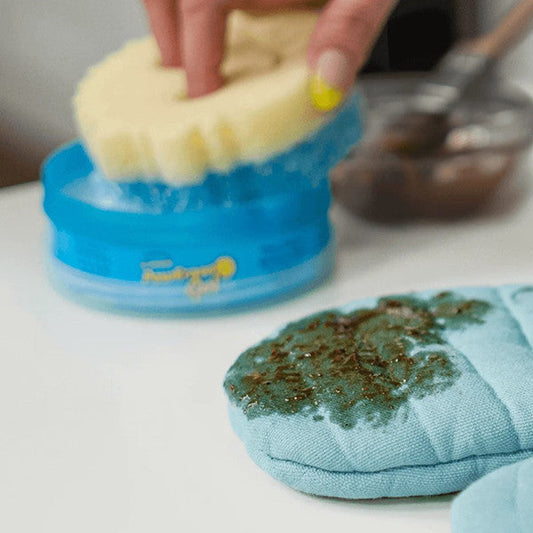
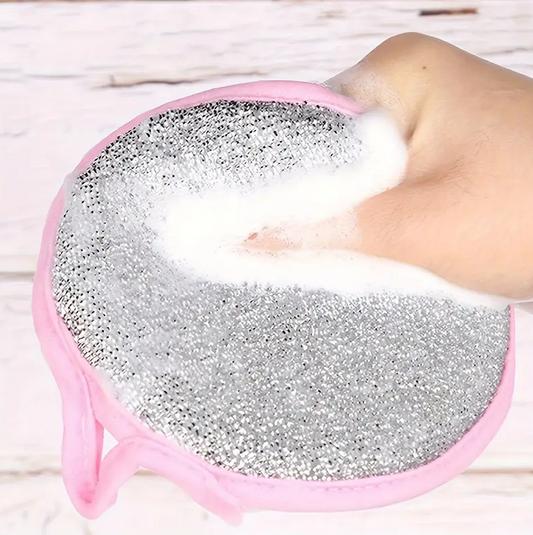
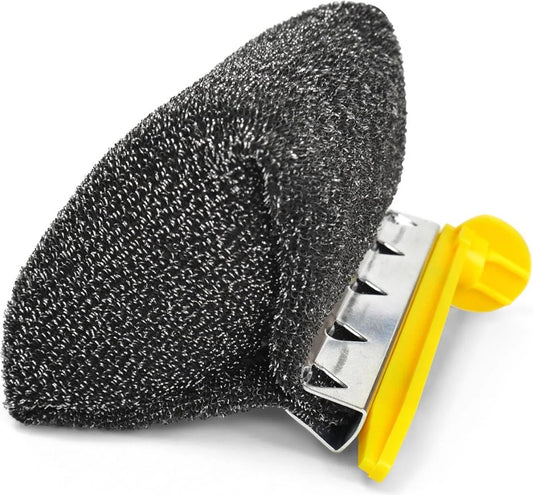
Also pay attention to the combination of cleaner and tool. With baked-on dirt, spraying alone is often not enough. Allow the product to work briefly if permitted by the instructions, then use a sponge, scrubber or cloth to loosen grease residue. For this step, Scrub Daddy sponges for stubborn dirt are worth considering, because the right cleaning tool can make the difference between endless scrubbing and efficient cleaning.
Also avoid using too much product. More cleaning product does not automatically mean better results. Too much cleaner can leave residue behind or require additional rinsing. It is better to work in stages: remove loose dirt, apply degreaser, allow it to work, clean the surface and then wipe it thoroughly with a clean cloth.
Our range for grease and baked-on dirt
In this category, you will find products for the toughest cleaning jobs in the kitchen. These include degreasers for hobs, ovens, baking trays, pans, griddles, extractor hoods and tiles behind the cooker. Products such as Dasty are popular because they are specifically designed for grease, dirt and quick, visible cleaning results.
The Pink Stuff is also well suited to stubborn kitchen cleaning jobs. Think of baked-on residue, stains, deposits and cleaning pastes for surfaces that need extra attention. Also take a look at The Pink Stuff cleaning products for dirt and deposits.
For the best results, combine a powerful cleaner with a suitable cleaning tool. A sponge or scrubber helps loosen dirt, while a cloth is needed to wipe away residue properly. This is especially important with grease: if you do not wipe the surface thoroughly, a greasy film will remain.
Applications
For the hob, the main problems are usually grease splatters, sauce residue and burnt-on rings. First remove loose residue, then use a suitable degreaser or cleaner. With induction and ceramic glass, you need to be extra careful with abrasive tools.
The oven is often the toughest job. Grease, cheese, sauce and oven dishes can burn onto the bottom, oven door glass and racks. Allow a suitable cleaner to work first, then use a sponge or cloth. It is better to repeat the process gently than to scrub too aggressively.
For pans and baking trays, it helps to soak baked-on dirt first. You can then remove the residue with a sponge or scrubber. Be careful with hard scouring sponges when cleaning pans with a delicate non-stick coating.
Extractor hoods and tiles behind the cooker are often overlooked, even though grease slowly builds up there. Regular degreasing prevents it from becoming a sticky layer. For wiping and drying, cleaning cloths for kitchens and grease residue are useful.
Frequently asked questions about removing grease and baked-on dirt
How do you remove baked-on grease from the kitchen?
The best way to remove baked-on grease is to work in stages. First remove loose crumbs and food residue. Then apply a suitable degreaser and allow it to work briefly according to the instructions. Next, use a sponge or scrubber to loosen the grease and wipe the surface thoroughly with a clean cloth. With old layers of grease, one cleaning session may not be enough. It is better to work gently in several rounds than to scrub too hard on delicate surfaces.
Why does my hob remain greasy after cleaning?
A hob often remains greasy because the grease has not actually been loosened or because cleaning product residue has been left behind. First use a cleaner suitable for grease, then wipe the surface with a clean, damp cloth and dry it thoroughly. On induction or ceramic glass, be careful with scouring sponges. If a film remains, you may be using too much product or your cloth may not be clean enough. Using a separate cloth for kitchen surfaces prevents you from spreading the grease again.
What is the best degreaser for stubborn kitchen grease?
The best degreaser for stubborn kitchen grease depends on the area. For extractor hoods, ovens, baking trays and tiles behind the cooker, you mainly need a powerful grease remover. For delicate surfaces such as painted cabinets or induction hobs, you need to be more careful. Dasty is often chosen for grease and stubborn dirt, while Pink Stuff is useful for baked-on residue and deposits. So do not choose based on strength alone; also consider the surface you want to clean.
How do you clean a baked-on oven without scrubbing endlessly?
You can clean a baked-on oven more easily by loosening the dirt first. Remove loose residue, apply a suitable oven or kitchen cleaner and give the product time to loosen grease and baked-on dirt. You can then remove the residue with a sponge or cloth. With old layers of grease, you may need to repeat the process. Do not use aggressive abrasive cleaners on the oven door glass or delicate parts without checking that they are suitable. Patience and working time often work better than brute force.
How do you remove baked-on dirt from a pan?
Baked-on dirt usually comes off more easily if you soak it first. Fill the pan with warm water and allow the residue to soften. You can then loosen the dirt with a sponge or suitable scrubber. With stainless steel, you can often work more firmly than with a pan featuring a non-stick coating. Do not use a hard scouring sponge on delicate coatings. If grease remains, use a suitable degreaser or washing-up liquid and rinse thoroughly.
How do you remove grease from an extractor hood?
Grease on an extractor hood builds up gradually and therefore often becomes sticky. First clean the exterior with a degreaser suitable for the material. Allow it to work briefly, then wipe it off with a clean cloth. Filters usually require a separate approach, depending on the type of filter. Clean the extractor hood regularly, as old layers of grease are much harder to remove than fresh splatters.
When is an all-purpose cleaner not strong enough against grease?
An all-purpose cleaner is useful for light stains and daily maintenance, but it is not always suitable for stubborn kitchen grease. If you notice that you are simply spreading the grease around, the surface remains sticky or baked-on residue does not come loose, you probably need a degreaser. An all-purpose cleaner is mainly suitable for quickly cleaning tables, worktops and cabinets. For ovens, baking trays, extractor hoods and old layers of grease, a more targeted product usually works better.
Why ViralCleaning?
At ViralCleaning, you will find cleaning products for real kitchen problems: grease splatters, baked-on dirt, burnt-on residue, sticky cabinets and dirty ovens. For removing grease, you can combine degreasers, cleaners, sponges and cloths into a practical routine that suits your kitchen and cooking habits. This allows you not only to tackle visible dirt, but also to prevent grease from continuing to build up.