Kolekcija: Dishwashing

Dishwashing liquid, sponges, and brushes for clean dishes

Buying dishwashing liquid is not just for plates and glasses. The dishes often include greasy pans, baked-on oven dishes, cutlery with sauce residues, cloudy drinking glasses, and baking trays that need more than just a quick rinse. In this category, you will find dishwashing products, sponges, brushes, scrubbers, and cleaning aids that help you clean dishes faster and easier.

For families and busy households, a good dishwashing routine is important. Not everything can or should go in the dishwasher, and some pans, knives, glasses, or baking molds are better cleaned by hand. For daily kitchen tasks, this category complements kitchen cleaning products for daily use well.

Why good dishwashing products are important

Washing dishes seems simple, but the wrong product or tool can make it unnecessarily difficult. A sponge that is too soft won’t remove baked-on residues. A sponge that is too hard can damage sensitive pans, glasses, or coatings. And a dirty cloth or smelly sponge can spread dirt back onto your dishes.

A good dishwashing routine therefore consists of the right combination: dishwashing liquid for grease and dirt, a sponge or brush to loosen debris, and a cloth to wipe or dry. For light dishes like plates, glasses, and cutlery, a normal sponge or brush is often enough. For pans, baking trays, and oven dishes, you need more grip and scrubbing power.

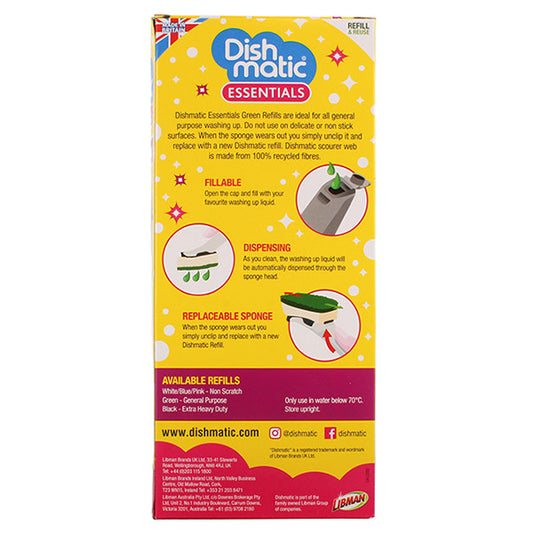
For tough cleaning jobs on pans, baking trays, and kitchenware, you can look at sponges for dishwashing and stubborn dirt. Always choose a sponge that suits the material you are cleaning.

Dishwashing liquid for grease, sauce, and daily dishes

Dishwashing liquid is mainly intended to loosen grease and food residues. Think of oil, butter, sauce, dressing, cheese, meat residues, and crumbs. Good dishwashing liquid helps remove grease from plates, cutlery, pans, and glasses without having to wash repeatedly.

Warm water is important for grease. Grease loosens more easily when the dishwater is warm enough. Don’t just rinse greasy pans with cold water, as grease can stick or spread. First remove excess grease with kitchen paper, then wash with warm water and a suitable dishwashing liquid.

Also pay attention to glasses. Too much dishwashing liquid or a greasy sponge can cause cloudiness. Use clean water, a clean sponge or brush for glasses, and dry with a clean cloth if needed. This prevents glasses from drying dull.

Which sponge or brush do you use for dishwashing?

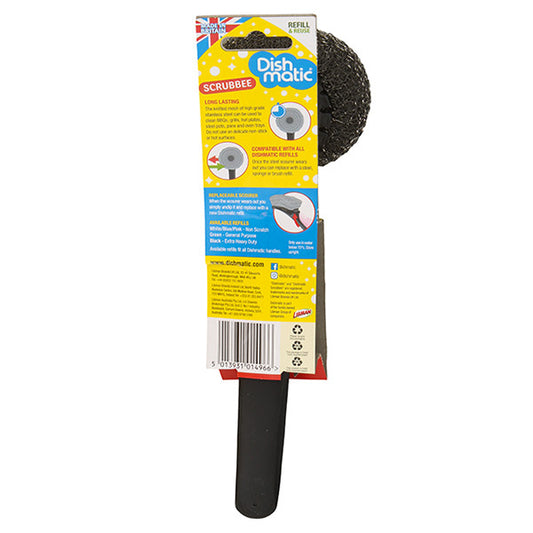
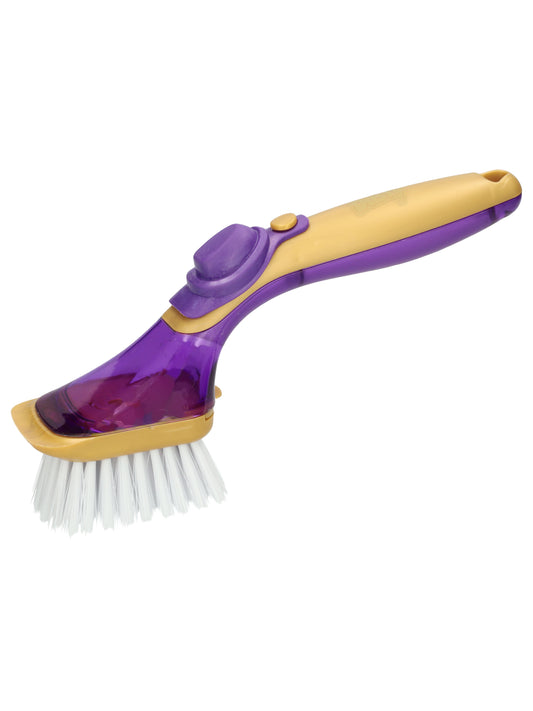
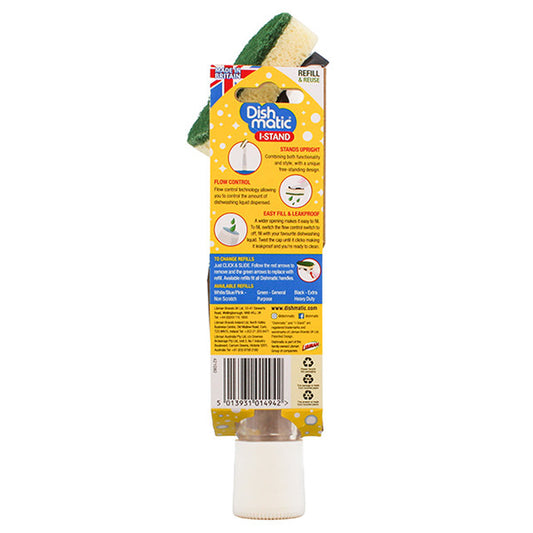
For daily dishes, a normal sponge or dish brush is often enough. Plates, cups, cutlery, and light pans get clean quickly with these. For baked-on residues, you need more texture. A scrubber or sturdy sponge can help loosen residues without having to scrub hard right away.

For popular dishwashing sponges and smart cleaning aids, you can also check out Scrub Daddy sponges for kitchen and dishwashing. These are great for people who want one sponge for multiple cleaning tasks in and around the kitchen.

Always be careful with delicate surfaces. Non-stick pans, glasses, high-gloss parts, and certain baking molds can be sensitive to scratches. Let baked-on dirt soak first and then use a sponge or brush. This way you need less force and reduce the chance of damage.

Cleaning baked-on pans, oven dishes, and baking trays

You can clean baked-on pans more easily by soaking them first. Fill the pan with warm water and dishwashing liquid and let residues soften. Then you can loosen the dirt with a sponge or brush. For pans with a non-stick coating, don’t scrub too aggressively.

Oven dishes and baking trays often deal with cheese, sauce, oil, marinade, and burnt edges. First remove loose residues and let the dish or tray soak. Then use a suitable sponge or scrubber. For heavy grease and baked-on residues, this category fits well with products against grease and baked-on dirt.

With heavily baked-on dirt, patience is often better than force. Let dirt soak, repeat the treatment, and avoid damaging sensitive materials. A good sponge helps, but the right timing to scrub is just as important.

Keeping your dish sponge fresh

A dish sponge takes a lot of abuse. Grease, food residues, and moisture easily remain in the sponge. This can cause the sponge to smell quickly. Rinse it well after use, squeeze it out, and let it dry in a well-ventilated place. Don’t leave a wet sponge flat in a closed sink or container.

Also don’t use one sponge for everything. A sponge for baked-on pans is not always suitable for glasses or delicate dishes. Keep a separate sponge for heavy jobs and a cleaner sponge or brush for glasses, cups, and daily dishes if needed.

For wiping, drying, or cleaning the sink, cleaning cloths for kitchen and dishwashing are handy. Wash reusable cloths regularly, especially when used with grease or food residues.

Frequently asked questions about dishwashing

Why does grease remain on pans after washing?

Grease often remains on pans because the dishwater is too cold, too little dishwashing liquid is used, or the sponge is already greasy. First remove excess grease with kitchen paper, then wash with warm water. Use a clean sponge or brush and rinse well. For stubborn grease, soaking the pan before scrubbing helps.

Which sponge do you use for baked-on pans?

For baked-on pans, use a sponge or scrubber with enough texture to loosen dirt. Pay attention to the pan’s material. A stainless steel pan can usually handle more than a non-stick pan. Let baked-on residues soak first in warm water with dishwashing liquid. Then you need to scrub less hard and the chance of scratches is smaller.

How do you get glasses clean without cloudiness?

Glasses often get cloudy due to grease, too much dishwashing liquid, dirty dishwater, or a sponge that isn’t clean. Preferably wash glasses with clean warm water and a clean sponge or brush. Rinse well and dry with a clean cloth. Don’t use a greasy sponge that was just used for pans. This prevents spreading grease residues over the glass.

What is better for dishwashing: sponge, cloth, or brush?

It depends on the dishes. A brush is handy for cups, bottles, plates, and light residues. A sponge gives more contact with the surface and works well for pans or dishes. A cloth is mainly used for wiping or drying, not for heavy scrubbing. For baked-on residues, a scrubber or sturdy sponge is usually more effective than a regular cloth.

How do you prevent a dish sponge from smelling?

A dish sponge smells because of moisture, grease, and food residues. Rinse the sponge well after each wash, squeeze it out, and let it dry upright or in a ventilated place. Don’t use it for everything at once and replace it in time. If the sponge smells musty or feels greasy, you may be spreading dirt over your dishes. Replacing it is usually the best choice.

How do you clean oven dishes and baking trays more easily?

You clean oven dishes and baking trays more easily by first removing loose residues and then letting warm water with dishwashing liquid soak in. Baked-on cheese, sauce, or grease softens. Then use a suitable sponge or scrubber. Don’t start scrubbing hard right away, especially not on coated baking trays or delicate oven dishes. Repeat gently if residues remain.

Can you use Scrub Daddy or Scrub Mommy for dishwashing?

Yes, Scrub Daddy and Scrub Mommy can be handy for dishwashing, pans, plates, cutlery, and kitchenware. Always pay attention to the material you are cleaning. With delicate coatings, glass, or sensitive surfaces, caution is important. Use enough water and dishwashing liquid and test gently first if in doubt. For stubborn residues, a sponge with scrub texture can save a lot of time.

Why ViralCleaning?

At ViralCleaning you will find dishwashing products and cleaning aids for daily dishes, greasy pans, baked-on oven dishes, glasses, cutlery, and kitchen accessories. For buying dishwashing liquid, combine the right dishwashing liquid with a suitable sponge, brush, cloth, or scrubber for faster and easier results.