Szivacsok és törlőkendők vásárlása minden takarítási feladathoz
A szivacsok és törlőkendők nagymértékben meghatározzák, mennyire hatékony a tisztítószer. Egy erős tisztítószer sokat segít, de nem megfelelő kendővel csak szétkened a zsírt, csíkos lesz az üveg, vagy makacs szennyeződés marad a felületen. Ebben a kategóriában tisztítókendőket, mikroszálas kendőket, szivacsokat, súrolókat, üvegtisztító kendőket és konyhai törlőkendőket találsz a mindennapi takarításhoz és az otthoni nehezebb feladatokhoz.
Akár a konyhát szeretnéd zsírtalanítani, akár a fürdőszobát kitakarítani, az ablakokat csíkmentesen megtisztítani vagy a rászáradt szennyeződést lesúrolni: a megfelelő takarítóeszköz sokat számít. Célzott választáshoz megnézheted a szivacsokat makacs szennyeződésekhez vagy a tisztítókendőket mindennapi használatra is.
Miért fontosak a jó minőségű szivacsok és törlőkendők?
Sok takarítási probléma nemcsak a nem megfelelő tisztítószer, hanem a rossz eszköz miatt is alakul ki. A túl durva szivacs karcolásokat okozhat. A koszos kendő inkább szétteríti a zsírt és a szennyeződést. Az üveghez nem megfelelő kendő csíkokat vagy szöszöket hagyhat maga után. Ezért érdemes minden felülethez a megfelelő szivacsot vagy kendőt használni.
A konyhában gyakran találkozhatsz zsírral, szószmaradékkal, morzsákkal és rászáradt szennyeződéssel. Ilyenkor olyan szivacsra vagy súrolóra van szükséged, amely fellazítja a szennyeződést anélkül, hogy feleslegesen károsítaná a felületet. A fürdőszobában inkább a vízkő, a szappanmaradványok, a mosdókagyló, a csempék és a zuhanyfal jelentenek kihívást. Üveghez és tükrökhöz pedig olyan kendő szükséges, amely csíkmentesen tisztít és nem hagy szöszöket.
Az alapfelszerelés általában többféle kendőből és szivacsból áll. Használj például külön kendőt a konyhához, a fürdőszobához és a vécéhez. Így elkerülheted, hogy a szennyeződést vagy a szagokat egyik helyiségből a másikba vidd.
Melyik szivacsot mire használhatod?
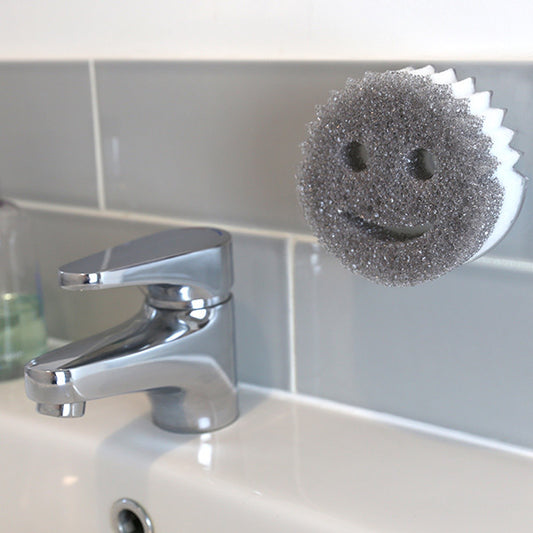
A puha szivacs praktikus a nem túl érzékeny felületek mindennapi tisztításához. Ilyen például a munkalap, a mosdókagyló, a csempe, a mosogató és a fürdőszobabútor. Makacsabb szennyeződésekhez gyakran nagyobb súrolóhatásra van szükség, például egy súrolóra vagy erősebb tisztítószivacsra. Ezekkel könnyebben fellazíthatod a szennyeződést anélkül, hogy azonnal sokkal több tisztítószert kellene használnod.
Rászáradt szennyeződés, sütőmaradványok, edények, főzőlap szélei vagy a csempére került zsír esetén egy erősebb szivacs sok időt takaríthat meg. Mindig vedd azonban figyelembe a felületet. A tapadásmentes bevonatok, a magasfényű felületek, a természetes kő és egyes műanyagok érzékenyek lehetnek a karcolásokra. Ha bizonytalan vagy, először óvatosan teszteld egy kisebb részen.
Népszerű takarítóeszközöket keresel? Nézd meg a Scrub Daddy szivacsokat és súrolókat. Ez a kategória különösen azoknak lehet hasznos, akik gyorsabban szeretnének megszabadulni a szennyeződéstől, a zsírtól és a maradványoktól a mindennapi takarítás során.
Melyik tisztítókendő illik a feladathoz?
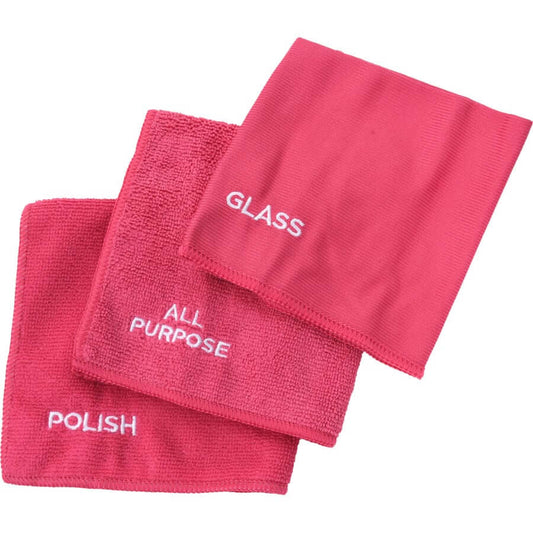
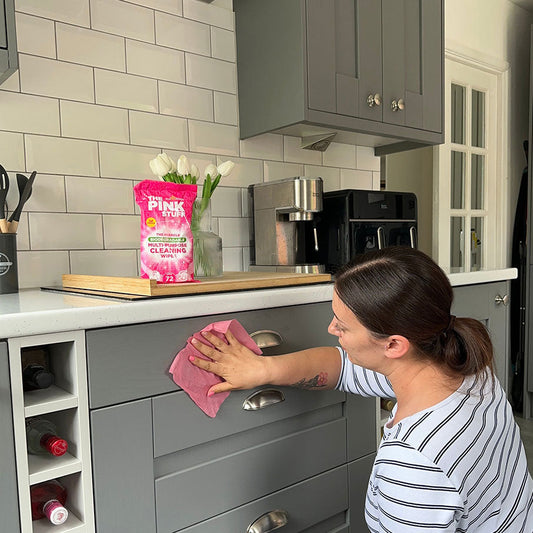
A tisztítókendőket elsősorban a szennyeződés letörlésére, a felületek szárazra törlésére és a tisztítószer-maradványok eltávolítására használhatod. A mikroszálas kendők azért népszerűek, mert sokféle kemény felületen jól használhatók. Jól felveszik a szennyeződést, és praktikusak a konyhában, a fürdőszobában, bútorokon, csempén és az általános takarítás során.
Üveghez, tükrökhöz és ablakokhoz olyan kendőre van szükséged, amely nem hagy szöszöket, és kevés csíkot hagy maga után. Ehhez inkább külön üvegtisztító kendőt használj, ne ugyanazt, amellyel az imént a munkalapot törölted át. A kendőben maradt zsír- vagy szappanmaradványok ugyanis csíkokat okozhatnak. Üvegfelületekhez és tükrökhöz ez a kategória jól kiegészíti a csíkmentes ablak- és üvegtisztítást.
A konyhában fontos szerepük van a kendőknek a zsír, a morzsák és a nedvesség gyors eltávolításában. Használj több kendőt, és mosd ki őket rendszeresen. Egy már zsíros vagy dohos szagú kendővel nem lesz igazán tiszta a konyha. A nehezebb konyhai feladatokhoz a kendőket kombinálhatod a zsír és rászáradt szennyeződés elleni termékekkel.
Karcolásmentes tisztítás: mire figyelj?
A karcolásmentes tisztítás a felület felismerésével kezdődik. Az üveg, az indukciós főzőlap, a kerámia, a magasfényű szekrényajtók, a lakkozott felületek és egyes fürdőszobai csempék óvatosságot igényelnek. Ezekhez ne használj durva súrolószivacsot anélkül, hogy biztosan tudnád, hogy alkalmas rá. A karcolás gyorsan kialakulhat, és általában már nem lehet eltüntetni.
Érzékeny felületeken inkább puha kendővel vagy szivaccsal dolgozz, és hagyd, hogy a tisztítószer rövid ideig kifejtse a hatását. Az erősebb nyomás nem mindig jelent megoldást. Gyakran hatékonyabb, ha először fellazítod a szennyeződést, majd nyugodtan letörlöd.
A szivacsokat és a kendőket is tisztítsd rendszeresen. A homokkal, morzsákkal vagy kemény szennyeződéssel teli szivacs akkor is karcolásokat okozhat, ha maga a szivacs puha. Takarítás közben alaposan öblítsd ki az eszközöket, és cseréld le őket, ha koszosak, elhasználódtak vagy dohos szagúak.
Szivacsok és törlőkendők okos használata otthon
A higiénikus takarítási rutinhoz érdemes helyiségenként külön kendőket használni. A konyhai törlőkendőt a munkalaphoz, az asztalhoz és a szekrényajtókhoz használd. A fürdőszobai kendő a mosdókagylóhoz, a csempéhez és a zuhanyhoz való. A vécéhez külön kendő használata ajánlott. Így átláthatóbbá teheted a takarítást, és elkerülheted a kereszthasználatot.
Használat után hagyd a nedves kendőket és szivacsokat alaposan megszáradni. Ha nedvesen egy kupacban maradnak, dohos szagúvá válhatnak. A mosható kendőket mosd ki rendszeresen, a szivacsokat pedig időben cseréld le. Egy jó szivacs vagy kendő csak akkor működik megfelelően, ha maga is elég tiszta.
A szivacsokat és kendőket kombináld a megfelelő tisztítószerrel. Egy általános tisztítószer, zsíroldó, üvegtisztító vagy fürdőszobai tisztítószer hatékonyabban működik, ha a megfelelő eszközt használod hozzá. Ellenkező esetben szennyeződés maradhat a felületen, csíkok keletkezhetnek, vagy a takarítás a szükségesnél több erőfeszítést igényel.
Gyakran ismételt kérdések a szivacsokról és tisztítókendőkről
Miért lesz csíkos a felület, amikor kendővel tisztítok?
A csíkokat gyakran az okozza, hogy a kendő túl nedves, túl koszos vagy zsíros. A túl sok tisztítószer is fátyolos réteget hagyhat maga után. Üveghez és tükrökhöz használj külön, tiszta kendőt, és kevés termékkel dolgozz. A konyhai felületeket érdemes száraz kendővel áttörölve megszárítani. Mosd ki rendszeresen a kendőket, mert a zsír, a mosószer vagy a tisztítószer maradványai a következő takarításkor ismét csíkokat okozhatnak.
Melyik szivacsot használjam rászáradt szennyeződéshez?
Rászáradt szennyeződéshez általában erősebb szivacsot vagy súrolót használj, amely fellazítja a koszt anélkül, hogy hosszasan kellene dörzsölnöd. Figyelj azonban alaposan a felületre. Egy edény, tepsi vagy csempe gyakran jobban bírja a súrolást, mint egy indukciós főzőlap, tapadásmentes bevonat vagy magasfényű szekrényajtó. A makacs szennyeződést először áztasd be megfelelő tisztítószerrel, majd nyugodtan súrold le. Így elkerülheted a felesleges karcolásokat.
Mikor használjak mikroszálas kendőt?
Mikroszálas kendőt számos kemény felület letörléséhez, szárazra törléséhez és tisztításához használhatsz. Ilyen a munkalap, az asztal, a mosdókagyló, a csempe, a bútor, az ajtó és néha az üveg is. A mikroszál azért praktikus, mert jól felveszi a szennyeződést, és kevés szöszt hagy maga után. Használj azonban külön kendőt helyiségenként vagy feladatonként. A konyhai zsíroldáshoz használt kendőt ne használd később tükrökön vagy fürdőszobai felületeken.
Hogyan előzhetem meg, hogy a szivacs büdös legyen?
A szivacs akkor kezd szagolni, ha túl sokáig nedves marad, ételmaradványokat tart vissza, vagy nem öblíted ki megfelelően. Használat után alaposan öblítsd ki, nyomd ki belőle a vizet, és levegős helyen hagyd megszáradni. Ne ugyanazt a szivacsot használd mindenhez, és időben cseréld le. A konyhai szivacsok különösen gyorsan koszolódnak a zsírtól, a morzsáktól és az ételmaradványoktól. Ha a szivacs dohos szagú, általában jobb lecserélni, mint tovább használni.
Milyen kendőt használjak tükrökhöz és üveghez?
Tükrökhöz és üveghez a legjobb egy tiszta, szöszmentes kendő, amelyben nincsenek zsírmaradványok. Ne ugyanazt a kendőt használd, amellyel korábban a konyhát vagy a fürdőszobát takarítottad, mert a maradványok csíkokat okozhatnak. Kevés tisztítószerrel dolgozz, majd szükség esetén egy második kendővel szárítsd meg a felületet. Ablakokhoz, tükrökhöz és zuhanyfalakhoz a külön üvegtisztító kendő gyakran a legjobb választás a tiszta, ragyogó eredményhez.
Használhatom ugyanazt a kendőt a konyhában és a fürdőszobában?
Jobb, ha külön kendőt használsz a konyhához és a fürdőszobához. A konyhában gyakran zsírral, morzsákkal és ételmaradványokkal találkozol. A fürdőszobában inkább szappanmaradványok, vízkő, nedvesség és a vécé környezetéből származó szennyeződések fordulnak elő. A kendők elkülönítésével megakadályozhatod, hogy a szennyeződés, a szag vagy a maradványok egyik helyiségből a másikba kerüljenek. Használhatsz különböző színű kendőket, vagy tárold őket helyiségenként elkülönítve.
Mikor kell lecserélni a tisztítószivacsot?
Cseréld le a tisztítószivacsot, ha dohos szagú, szétesik, továbbra is magában tartja a szennyeződést, vagy már nem lehet megfelelően kiöblíteni. Akkor is érdemes újat használni, ha a szivacs zsíros tapintású marad vagy elszíneződött. A régi szivacs ahelyett, hogy eltávolítaná a szennyeződést, inkább szétterítheti azt. A konyhában mindennap használt szivacsot általában gyakrabban kell cserélni, mint azt, amelyet csak alkalmanként, könnyebb takarításhoz használsz.
Miért a ViralCleaning?
A ViralCleaningnél mindennapi és makacs takarítási feladatokhoz is találsz eszközöket: szivacsokat, súrolókat, mikroszálas kendőket, üvegtisztító kendőket, konyhai törlőkendőket, valamint fürdőszobai vagy padlótisztító kendőket. A szivacsok és törlőkendők között egyszerűen kiválaszthatod a felülethez, a tisztítószerhez és a háztartásodhoz illő termékeket.


 Akció
Akció