Foltok eltávolítása ruháról, kanapéról, szőnyegről és felületekről
A foltok eltávolítása akkor működik a legjobban, ha először megnézed, milyen foltról és milyen anyagról van szó. A ruhán lévő zsírfolt más megközelítést igényel, mint a szőnyegen lévő kávéfolt, a galléron lévő smink, a gyerekruhán lévő sár vagy a kanapén lévő szószfolt. Ebben a kategóriában folttisztítókat, mosószereket, tisztítókendőket és tisztítószereket találsz a foltok célzottabb kezeléséhez.
Sokan minden foltot ugyanúgy kezelnek, ez azonban gyakran nem működik. A zsír, a színezékek, a fehérjék, a sár és a smink eltérően reagálnak a vízre, a hőre és a tisztítószerekre. A ruhafoltok esetén jól kombinálhatod őket a foltos ruhákhoz való mosószerekkel, míg a felületekhez és kemény anyagokhoz néha másfajta tisztítószerre van szükség.
A folt típusával kezdd
A legfontosabb lépés annak meghatározása, milyen foltról van szó. A zsírfoltok gyakran olajtól, vajtól, szósztól, majonéztől, naptejtől vagy bőrzsírtól származnak. Ezek a foltok mélyen behatolhatnak a textíliába, és egy normál mosás után is láthatók maradhatnak. Az olyan színes foltok, mint a kávé, a tea, a vörös szósz vagy a bor, gyorsan beszívódhatnak a szálakba, és jól látható karikát hagyhatnak maguk után.
A sminkfoltok megint másfélék. Az alapozó, a rúzs, a szempillaspirál és a púder gyakran pigmentet és zsíros összetevőket tartalmaz. Ezért általában óvatos itatásra, előkezelésre, majd mosásra vagy tisztításra van szükség. Sár esetén gyakran jobb először hagyni megszáradni, majd eltávolítani a laza szennyeződést, mielőtt vízzel kezdenéd kezelni.
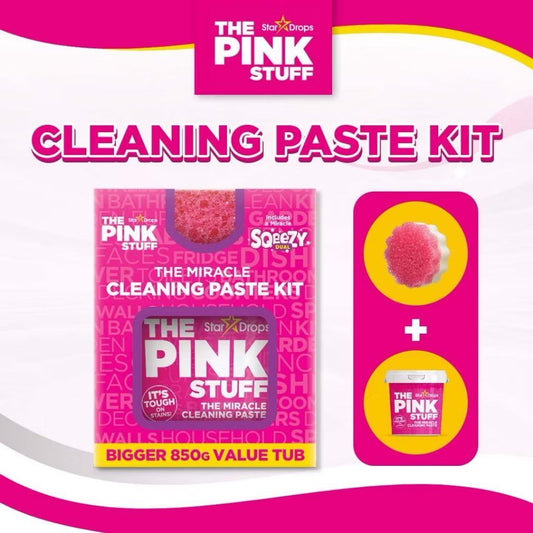
Kemény felületeknél, például munkalapnál, csempénél, mosogatónál vagy konyhai eszközöknél kevésbé a szálakról, inkább a felületen lévő lerakódásról, zsírról és maradványokról van szó. A makacs foltokhoz és a megfelelő felületeken lévő szennyeződésekhez logikus választás lehet a The Pink Stuff foltokhoz és makacs szennyeződésekhez.
Foltok eltávolítása ruháról
Ruhák esetén fontos a gyorsaság. Minél hamarabb kezeled a foltot, annál nagyobb az esélye, hogy megfelelően eltávolítható. Óvatosan itasd fel a felesleges nedvességet vagy szennyeződést, és kerüld az erős dörzsölést. A dörzsölés nagyobbá teheti a foltot, vagy mélyebbre nyomhatja a szálakba.
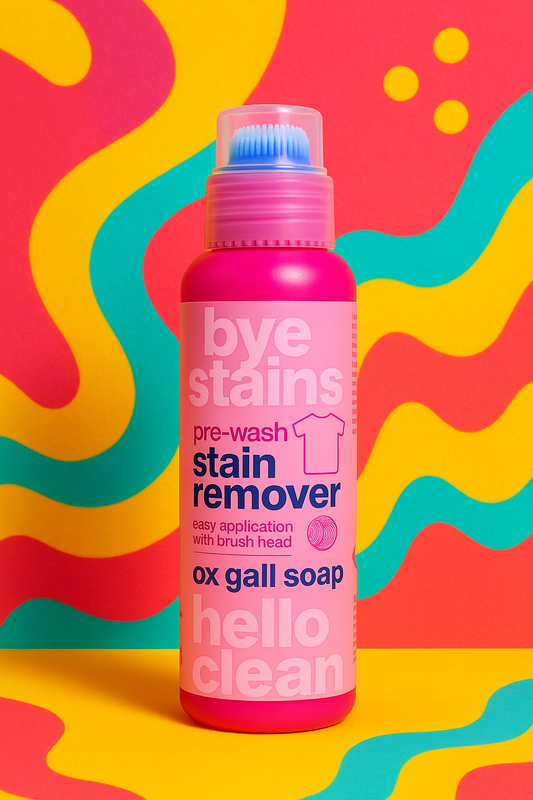
Az előkezelés gyakran okosabb megoldás, mint az azonnali mosás. Vigyél fel megfelelő folttisztítót vagy mosószert a foltra, hagyd rövid ideig hatni a használati útmutató szerint, majd mosd ki a ruhadarabot a kezelési címke alapján. Mindig ellenőrizd, hogy eltűnt-e a folt, mielőtt a ruhadarabot szárítógépbe teszed. A hő egyes foltokat még jobban rögzíthet.
A gyerekruhákon gyakran többféle folt keveréke látható: sár, gyümölcs, szósz, zsír, fű és ital. Ezeket nem érdemes mind ugyanúgy kezelni. A sarat jobb először megszárítani és kikefélni, míg a szósz vagy a zsír gyorsabb figyelmet igényel. Így elkerülheted, hogy a foltot feleslegesen mélyebbre dolgozd az anyagba.
Foltok eltávolítása kanapéról vagy szőnyegről
Kanapé és szőnyeg esetén az óvatosság fontosabb önmagában a gyorsaságnál. Ezeket az anyagokat általában nem lehet egyszerűen kiöblíteni, mint a ruhákat. A túl sok víz vagy tisztítószer karikákat okozhat, különösen vastag szövetek, párnák, szőnyegek és kárpitok esetén.
Mindig itatással kezdd. Használj tiszta kendőt, és kívülről befelé haladj, hogy ne növeld a folt méretét. Kis mennyiségű terméket használj, és ha bizonytalan vagy, először teszteld egy nem feltűnő helyen. Az itatáshoz, felitatáshoz és utókezeléshez hasznosak a foltokhoz és textíliákhoz való tisztítókendők.
Szőnyeg esetén fontos a maradványok alapos eltávolítása. Ha tisztítószer marad a szőnyegben, a szennyeződés később még könnyebben megtapadhat rajta. Hagyd a kezelt részt nyugodtan megszáradni, és ne lépj rá közvetlenül, amíg nedves.
Zsírfoltok, szószfoltok és konyhai foltok
A zsírfoltok azért makacsak, mert a zsír hozzátapad a szálakhoz. Ilyen lehet a sütőolaj, a vaj, a majonéz, a rágcsálnivalók, a hús szaftja, a szósz vagy az öntet. Ruhákon a zsírfoltok néha csak akkor válnak jól láthatóvá, amikor a ruhadarab megszárad. Ezért a zsírt még mosás előtt kezeld, és ne használj szárítógépet, amíg a folt látható.
A szószfoltok zsírból, színezékből és fűszerekből is állhatnak. A vörös szósz, a curry, a pác és a paradicsom gyorsan elszíneződhet, különösen világos anyagokon. Először itasd fel a felesleges szószt, majd célzottan kezeld a foltot. Ne dörzsöld erősen, mert így a pigmentet és a zsírt mélyebbre nyomhatod az anyagba.
A konyhában kemény felületeken, például munkalapon, csempén, főzőlap szélén vagy tepsin is kialakulhatnak foltok. Az ilyen szennyeződésekhez jól illenek a zsír és odaégett szennyeződések elleni termékek.
Régi foltok eltávolítása
A régi foltok nehezebben távolíthatók el, mert hosszabb idejük volt beszívódni az anyagba. Előfordulhat, hogy már kimosták, megszárították vagy hővel kezelték őket, ezért erősebben rögzültek. Ennek ellenére gyakran még javítható az eredmény újabb előkezeléssel és türelmes ismétléssel.
Régi ruhafoltok esetén fontos a türelem. Kezeld a foltot, hagyd hatni a terméket, majd mosd ki újra a kezelési címke szerint. Ezután ellenőrizd az eredményt, mielőtt hőt alkalmaznál. Régi foltoknál kanapén vagy szőnyegen még óvatosabbnak kell lenned, mert a túl agresszív tisztítás karikákat vagy elszíneződést okozhat.
A folt eltávolítása után néha szag maradhat vissza, például háziállatok, tej, izzadság vagy nedvesség esetén. Ha a textília tiszta, de még nem illatozik frissen, érdemes megnézned a foltok után használható textilfrissítőket.
Gyakran ismételt kérdések a foltok eltávolításáról
Miért kell először tudnod, milyen foltról van szó?
Mert nem minden folt reagál ugyanúgy. A zsír más kezelést igényel, mint a kávé, a sár, a smink vagy az izzadság. Ha azonnal vizet, hőt vagy nem megfelelő terméket használsz, egyes foltokat még mélyebbre nyomhatsz az anyagba. Ezért először vizsgáld meg a folt okát és az anyagot. Csak ezután válaszd ki a megfelelő módszert: itatás, szárítás, előkezelés, mosás vagy óvatos tisztítás.
Hogyan kezeld a foltot a ruha kimosása előtt?
Először távolítsd el a laza maradványokat, és óvatosan itasd fel a nedvességet. Ezután vigyél fel megfelelő terméket a foltra, és hagyd rövid ideig hatni az útmutató szerint. Mosd ki a ruhadarabot a kezelési címke alapján. Mosás után ellenőrizd, hogy valóban eltűnt-e a folt, mielőtt hővel megszárítanád. Különösen a zsír, a szósz és a smink válhat nehezebben eltávolíthatóvá a hő hatására.
Mit tegyél, ha a folt mosás után is látható?
Ne tedd azonnal a ruhadarabot a szárítógépbe. A hő még jobban rögzítheti a foltot. Kezeld újra megfelelő termékkel, majd mosd ki még egyszer a kezelési címke szerint. Zsírfoltoknál gyakran csak száradás után látható, hogy még maradt egy árnyék. Inkább türelmesen ismételd meg a kezelést, mintsem erősen súrold, különösen érzékeny anyagok esetén.
Hogyan távolítsd el a foltokat a kanapé szövetéből karikák nélkül?
Kevés nedvességet használj, itass dörzsölés helyett, és kívülről befelé haladj. A terméket mindig először egy nem feltűnő helyen teszteld. Használj tiszta kendőt, és ügyelj arra, hogy ne maradjanak tisztítószer-maradványok az anyagban. A túl sok víz gyakori hiba a kanapén lévő foltok kezelésekor, mert karikákat okozhat. Hagyd nyugodtan megszáradni az anyagot, és inkább többször, kis mennyiségű nedvességgel kezeld, mint egyszer túl vizesen.
Mely foltokat nem szabad hővel kezelni?
Óvatosan bánj a hővel zsír, vér, tojás, tej, izzadság, smink és egyes szószfoltok esetén. A hő hatására a folt összetevői hozzátapadhatnak a szálakhoz, és így nehezebben oldódnak ki. Ezért ne használj azonnal forró vizet vagy szárítógépet, ha nem vagy biztos benne, hogy a folt eltűnt. Először célzottan kezeld, és ellenőrizd az eredményt, mielőtt hőt alkalmazol.
Hogyan kezeld a gyerekek vagy háziállatok okozta foltokat?
Gyerekek és háziállatok esetén gyakran vegyes foltokról van szó: étel, ital, sár, fű, vizelet, nyál vagy zsír. Először távolítsd el a szilárd maradványokat, és itasd fel a nedvességet. Textílián a foltot mosás előtt kezeld. Kanapén vagy szőnyegen kevés nedvességgel és tiszta kendővel dolgozz. A szagra is figyelj, mert egyes foltok látszólag eltűnnek, de továbbra is érezhetők, ha az anyagot nem tisztították vagy szárították meg megfelelően.
Mikor használj kendőt, és mikor folttisztítót?
Kendőt akkor használj, amikor itatni, nedvességet felvenni vagy maradványokat eltávolítani szeretnél. Folttisztítóra akkor van szükség, ha a folt valóban bejutott az anyagba, vagy önmagában vízzel nem távolítható el. Friss foltoknál gyakran kendővel érdemes kezdeni. Ezután célzottan kezeld a foltot az anyaghoz és a folt típusához illő termékkel. Textíliák esetén mindig legyél óvatos, és ha bizonytalan vagy, először tesztelj.
Miért a ViralCleaning?
A ViralCleaning kínálatában különböző típusú foltokhoz találhatsz termékeket: zsírhoz, szószhoz, kávéhoz, sárhoz, sminkhez, régi foltokhoz, kanapén lévő foltokhoz, szőnyegfoltokhoz és ruhafoltokhoz. A foltok eltávolításához nem egyetlen általános módszert kell választanod, hanem a folthoz, az anyaghoz és a helyzethez megfelelő terméket és eszközt.